 Biomass
  Warehouse
  Msme services
  Diary & Milk Processing
  Agro-Base Business
  Business Registration
  Electric Vehicle (EV)
  Tender Updates
-
This eBook explains how Compressed Bio-Gas (CBG) is produced, the types of waste that can be utilized, and its applications in cooking, transport, machinery, and power generation.
-
If you wish to avail consultancy services, you can book a Consultancy Round and discuss your requirements with our expert.
-
If you're willing to participate in Biomass Tender and plan subsidy benefits. You can book our Consultancy Round with our Expert.
-
If you wish to avail consultancy services, you can book a Consultancy Round and discuss your requirements with our expert.
-
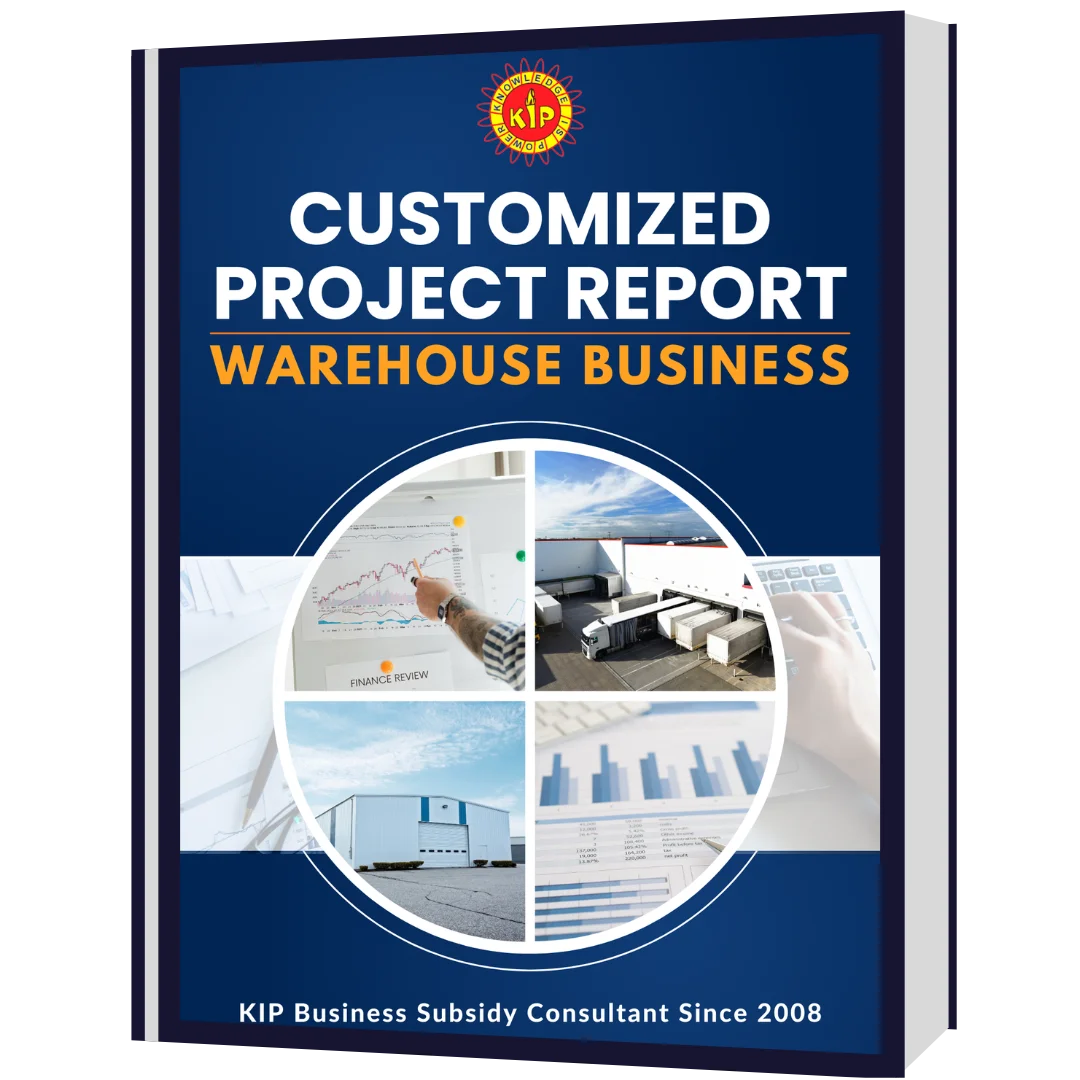
Custom Warehouse Project Report prepared for bank finance and subsidy approvals, covering project cost, infrastructure planning, 7-year financial projections, and all key banking ratios. Fully customized as per your project requirements.
-
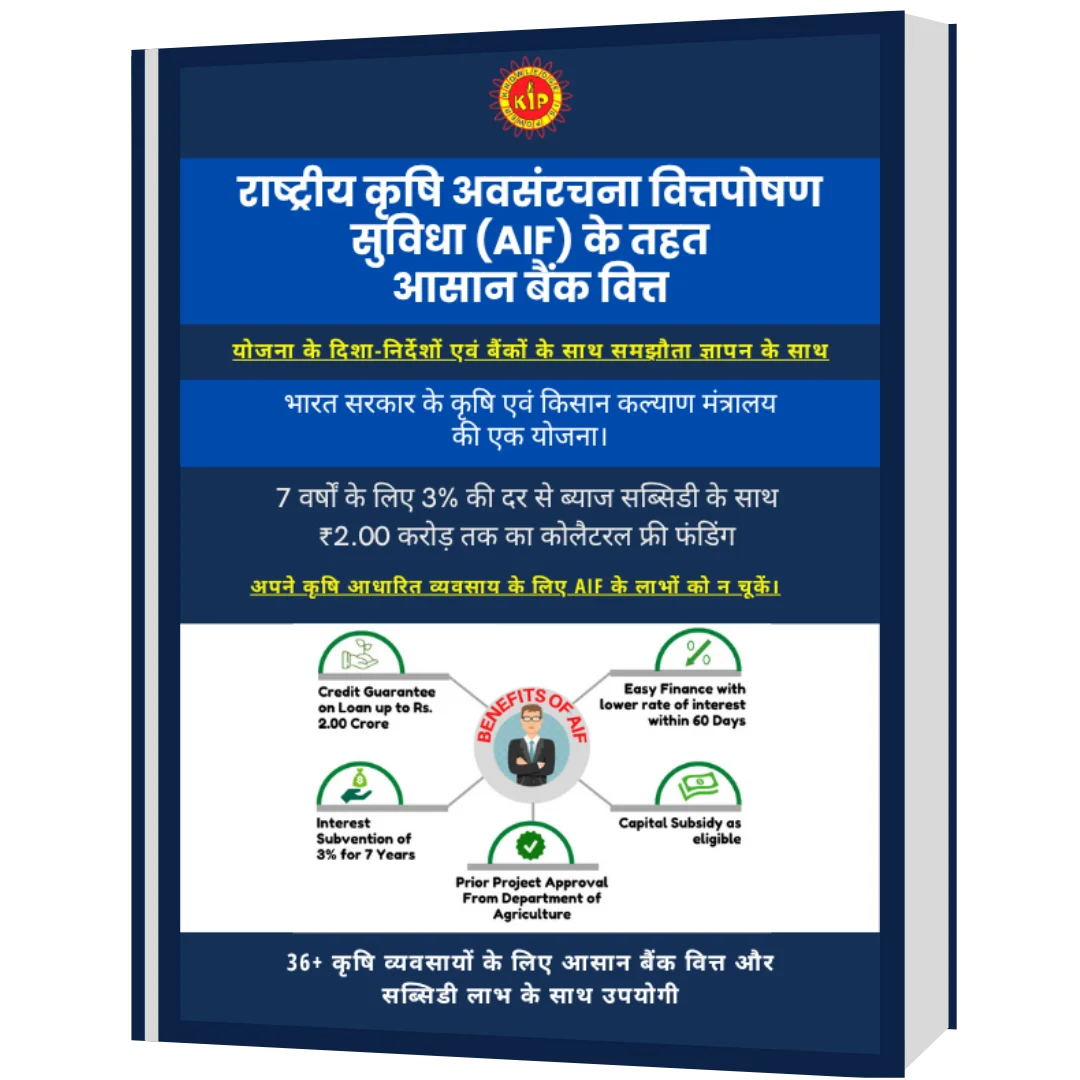
Easy Bank Finance & Interest Subsidy
0Original price was: ₹1,999.00.₹999.00Current price is: ₹999.00.This eBook is a step-by-step guide to the Agriculture Infrastructure Fund (AIF) — a Government of India scheme offering collateral-free loans and interest subsidies for agri-based infrastructure projects. It explains eligibility, loan process, project types, and bank financing, along with a list of banks under MoU and official scheme guidelines. -
Easy Bank Finance & Interest Subsidy Hindi Version
0Original price was: ₹1,999.00.₹999.00Current price is: ₹999.00.This eBook is a step-by-step guide to the Agriculture Infrastructure Fund (AIF) — a Government of India scheme offering collateral-free loans and interest subsidies for agri-based infrastructure projects. It explains eligibility, loan process, project types, and bank financing, along with a list of banks under MoU and official scheme guidelines. -
Employment Generation Subsidy E-Book (Haryana)
0Original price was: ₹999.00.₹499.00Current price is: ₹499.00.Practical guide to Haryana’s Employment Generation Subsidy, helping businesses expand operations while boosting jobs and industrial growth. -
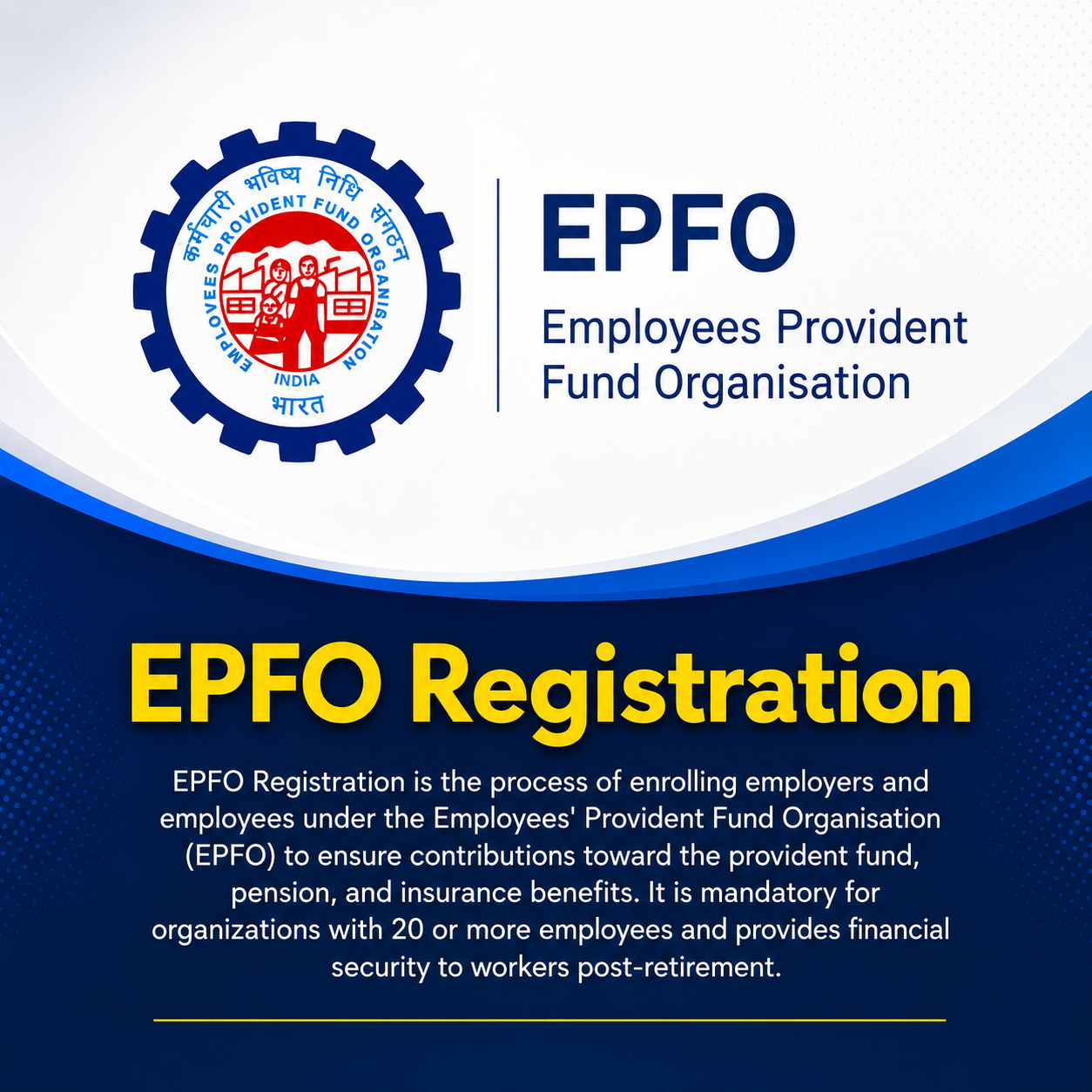
EPFO Registration
0Original price was: ₹6,000.00.₹5,100.00Current price is: ₹5,100.00.Available on backorder
Eligibility All states in India can benefit from the provisions of the EPF scheme. Employers must register salaried employees earning up to ₹15,000 for an EPF account. However, employees earning above ₹15,000 can also register with approval from the Assistant PF Commissioner. Additionally, organizations with more than 20 employees must register under the EPF scheme for employees aged between 18 and 54 years. On the other hand, organizations with fewer than 20 employees can join the scheme voluntarily. Once employees become active EPF members, they receive multiple benefits, including pension and insurance coverage. Benefits for Employers Firstly, EPF helps employers avail employment generation subsidies. Moreover, it supports better expense management within the business. In addition, employers can avoid interest penalties by making timely payments before the due date. Offering EPF also makes the company more attractive to skilled candidates. Furthermore, compliance with EPF regulations ensures a fair and transparent work environment. As a result, businesses can avoid legal complications and build trust. Lastly, EPF simplifies business operations and protects employees’ financial interests, which strengthens long-term organizational stability. Benefits for Employees To begin with, EPF provides strong retirement savings for long-term financial security. Additionally, employees receive tax benefits under Section 80C of the Income Tax Act. Moreover, the scheme offers stable returns, ensuring safe and consistent growth of savings. In case of emergencies such as illness, marriage, education, or home construction, employees can withdraw funds partially. At the time of retirement, employees receive a lump sum that includes their contribution, employer contribution, and accumulated interest. Along with this, they also get insurance coverage of up to ₹7 lakhs under the EDLI scheme. Furthermore, employees can take loans against their EPF balance at a minimal interest rate, which they must repay within three years. This feature adds financial flexibility during urgent situations. As a result, EPF effectively boosts retirement savings while offering competitive interest rates. In addition, members can take non-refundable advances during service and receive full settlement after retirement or two months after leaving employment.











 Home
Home  Whishlist
  Checkout
  Account
 - Image
- SKU
- Rating
- Price
- Stock
- Availability
- Add to cart
- Description
- Content
- Weight
- Dimensions
- Additional information
01
DAYS
02
HRS
30
MIN
40
SEC
Start Your Agri-Based Business
Download your FREE Agri Business Gift
and learn how to start & grow a profitable farming business
Start Your Manufacturing Business
Download Your FREE Business Planning Guide
and Learn Subsidy Planning, Bank Finance & Industrial Business Growth.
Start Your MSME Business
Download your FREE MSME Business Gift
and learn how to start & grow a profitable business
Start Your Agri-Based Business
Download your FREE Business Gift
and learn how to start & grow a profitable Business
Start Your Warehouse Business
Download your FREE 16 State Subsidy Warehouse ebook
and learn how to start & grow a profitable business
Start Your Biomass Business
Download your FREE Biomass ebook
and learn how to start & grow a profitable business
Start Your Business
Download your FREE Biomass SVR Hindi Version and learn how to start & grow a profitable business
Start Your Compressed Bio Gas Business
Download your FREE CBG and learn how to start & grow a profitable business
Start Your Manufacturing Business
Download Your FREE Business Planning Guide
and Learn Subsidy Planning, Bank Finance & Industrial Business Growth.